Understanding ISO 9001 Calibration Requirements

by Emmanuel

ISO 9001 is a quality management system for manufacturers (product producers) and service providers. Other more specific standards exist for specialized industries such as automotive, pharmaceuticals, and Oil and Natural Gas, but ISO 9001 remains integrated with them.

In order for a calibration process to be properly implemented, we must have in-house calibration management.

What is calibration and why do we need calibration?

Read up on our previous post >> What is Calibration and Reason for Calibration

Calibration management is governed by ISO 9001: 2015 Standards, which include specific clauses outlining the requirements for proper implementation.

ISO 9001 Calibration Requirements

What are the ISO 9001 Calibration requirements? The related clauses where calibration requirements are provided are listed below. These are the clauses with calibration requirements that have a direct impact on the calibration results:

  1. Clause 7.1.2 People.
  2. Clause 7.1.4 Environment for the operation of processes.
  3. Clause 7.1.5.1 General monitoring and measuring requirements
  4. Clause 7.1.5.2 Measurement traceability.
  5. Clause 7.2 Competence.
  6. Clause 9.1.1 General requirements for monitoring, measurement, analysis, and evaluation

For our publication, we highlight only 3 of the clauses listed above.

Clause 7.1.4 Environment for the operation of processes

This clause necessitates the monitoring and control of the environment in order for calibration to be performed correctly. Environmental conditions that influence the final output of calibration results should be monitored and controlled, as per ISO 17025 requirements.

The following are some examples of environmental conditions that we must monitor and control:

Temperature
Humidity
Vibrations
Dust
Proper lighting
Not all of the items listed above must be controlled at the same time in a lab. This is determined by the criticality and the impact it can have on the calibration process.

Temperature and humidity are the two environmental conditions that are always controlled because almost all instruments require them for proper operation, as detailed in their specifications.

Clause 7.1.5. monitoring and measuring requirements

Monitoring and measuring instruments are instruments that we use to perform measurements.
“It is either we perform a measurement to monitor and control a process or we perform measurement for verification of the output of our process.”
Keeping this in mind, all monitoring and measurement instruments should be controlled.

The control provided are:

  • The instrument to be used should be suitable. Suitable means it covers the range and accuracy requirement. For every monitoring and measuring instrument we use, we should ensure that the usable range can be covered and as much as possible, it has higher accuracy than the process to be measured. Recommended is to maintain the Test Uncertainty Ratio.
  • Every monitoring and measuring instrument should be maintained to ensure confidence while using or within its calibration interval. Maintained means:

a. Properly monitored for its statuses like locations, labels, and calibration due dates.

b. Preventive maintenance is performed

c. Intermediate check is performed.

Records of Implementation of the above requirements should be maintained that can be used as evidence of implementation during audits.

Clause 7.2 Competence

As defined by ISO 19011, competence is: “demonstrated personal attributes and demonstrated ability to apply knowledge and skills “.

Clause 7.2 and 7.1.2, which is about how people relate to each other. ISO 9001 clause 7.1.2 requires that “The organization shall determine and provide the persons necessary for the effective implementation of its quality management system and for the operation and control of its processes.”

In relation to calibration, the People, which are the personnel involved in performing calibration should be competent or have the necessary competency.

Personnel Competency is one of the main requirements that we must meet. All factors that influence the quality of calibration performed depend on the knowledge, skills, experience, and education of Personnel.

You may have a high-end calibrator, a good calibration procedure, and a well-equipped facility but the person in charge is not suitable for the calibration activity performed, then the calibration results may be invalidated.

To be competent means the technician:

1. Has the necessary competence requirements such as appropriate education, training, or experience;

2. Passed the competency evaluation

3. Is authorized to perform important laboratory activities

4. Has monitored competency and continued education


All the records and recorded information resulted from this process should be maintained and used as evidence of competency.

Call us to discuss your calibration and repair needs at:
713.944.3139.

Request for Calibration Quote
Request for PPE/Glove Testing Quote
Safeguarding Yourself Through Consistent Glove Testing

by Emmanuel

What is Calibration?

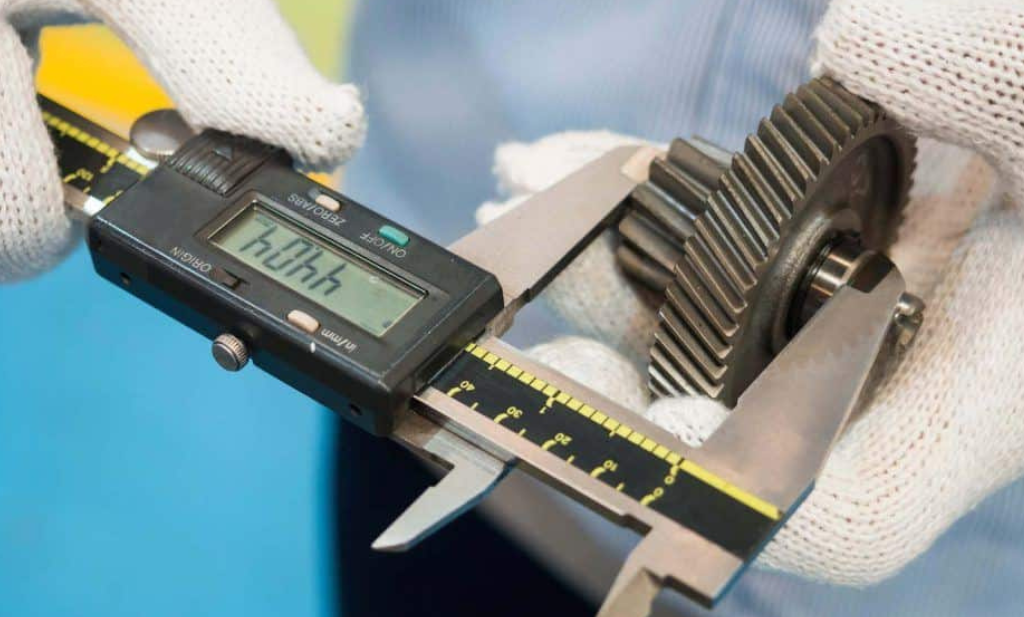
Calibration refers to the process of standardizing or adapting measurement equipment in order to obtain more accurate results. During calibration, the technician will measure the piece of equipment against the baseline to see if it fits. If the equipment measurements do not meet the acceptable accuracy factor defined by the standard, a trained technician will make adjustments until this is done.
Different instruments will require a different calibration process. For example, a calibration lab will calibrate sensors differently from thermometers. Often, you can hire experts to come to your facility to calibrate the equipment, or you can send the equipment to a lab for calibration.Different instruments will require a different calibration process. For example, a calibration lab will calibrate sensors differently from thermometers. Often times, you can hire experts to come to your facility to calibrate the equipment, or you can send the equipment to a lab for calibration.

Why Do We Need to Calibrate Equipment?

Over time, the accuracy of any measuring device will begin to decline. Typically, this reduction in accuracy is due to normal wear and tear of the various components but may also be due to a harmful environment or mechanical or electrical shock. The attenuation factor of the measurement equipment may vary depending on the environment and type. Due to this decline in measurement accuracy, organizations with measurement equipment prefer to calibrate on a regular basis. By calibrating your equipment, you are giving it the accuracy it needs to do its job properly. The calibration of the measuring devices also ensures that a high level of product quality is maintained. The reason for calibrating the hardware is reliability. When you calibrate your instruments regularly, you know your measuring device is accurate and will read your command according to other measuring devices. Calibration is essential if you care about the accuracy and consistency of your measuring instruments.

4 Reasons for Calibration

When a company calibrates its equipment, there are several benefits to it. Some of these benefits include a longer instrument life span, greater safety assurance, greater savings, and easier certification. At Gulf Coast Calibration, we calibrate our customers’ equipment to deliver these benefits and always have accurate measurement devices.

Find out more about the four main reasons we calibrate your hardware below:

  • Ensure Safety:
    When you use calibration equipment for critical processes, safety is paramount. Even minor inaccuracies can cause the device to malfunction or give false information about how safe something is, leading to injury or damage to the equipment. Regular calibration of the equipment enables accurate measurements to be obtained and hazardous situations to be avoided.
    As calibration improves safety, many industries use calibration to protect their assets and personnel. Some industries in which calibration is crucial to safety are manufacturing, medical, and food processing.
  • Save Money:
    Calibrating your equipment according to the recommended schedules can save you a lot of money. As hardware calibration prevents accuracy errors, it helps manufacturers reduce manufacturing errors that can lead to product failure. Likewise, inaccurate food temperature measurements can lead to spoilage. In research laboratories, inaccuracy can lead to erroneous readings by workers, rendering any results meaningless. No matter what industry you work in, mistakes will ultimately increase costs.
    Calibrating your equipment saves you money as you don’t waste money throwing away defective products or extra staff costs when they have to repeat tests in the lab. You will also save money and increase your income by reducing the costs of stopping processes and restarting them as soon as your team discovers an inaccuracy. By reducing errors, you optimize your organization better and make the most of your equipment.
  • Increased Lifespan of Equipment:
    Every measuring device will wear out over time. Instead of throwing your device away and replacing it with a new one when it ceases to provide accurate measurements, you can calibrate it to restore normal levels. After the old equipment is calibrated, it should perform to the original standards. Thanks to this, you can use the device for much longer.
    Calibration can also help pay attention to how quickly a piece of equipment breaks down, helping you observe factors such as ambient pressure or specific applications that are causing more wear. With this information, you can make adjustments to prevent faster wear and tear and keep your tools in better condition for a longer period.
  • Assure Compliance with Certification:
    Many industries require companies to have the appropriate certifications in order to operate legally. You will likely need a regulatory review before proceeding with certain tasks. Often these certifications require confirmation that you are calibrating your equipment and are reliable enough to get accurate results. If you regularly calibrate your equipment, it will be easier for you to get certified by the relevant regulatory bodies.
    Calibration enables your equipment to obtain accurate results by helping you pass certification tests on the accuracy of your devices.

Call us to discuss your calibration needs at:
713.944.3139.

Request for PPE/Glove Testing Quote
The Importance of Equipment Calibration

by Emmanuel

What is Calibration?

Calibration refers to the process of standardizing or adapting measurement equipment in order to obtain more accurate results. During calibration, the technician will measure the piece of equipment against the baseline to see if it fits. If the equipment measurements do not meet the acceptable accuracy factor defined by the standard, a trained technician will make adjustments until this is done.
Different instruments will require a different calibration process. For example, a calibration lab will calibrate sensors differently from thermometers. Often, you can hire experts to come to your facility to calibrate the equipment, or you can send the equipment to a lab for calibration.Different instruments will require a different calibration process. For example, a calibration lab will calibrate sensors differently from thermometers. Often times, you can hire experts to come to your facility to calibrate the equipment, or you can send the equipment to a lab for calibration.

Why Do We Need to Calibrate Equipment?

Over time, the accuracy of any measuring device will begin to decline. Typically, this reduction in accuracy is due to normal wear and tear of the various components but may also be due to a harmful environment or mechanical or electrical shock. The attenuation factor of the measurement equipment may vary depending on the environment and type. Due to this decline in measurement accuracy, organizations with measurement equipment prefer to calibrate on a regular basis. By calibrating your equipment, you are giving it the accuracy it needs to do its job properly. The calibration of the measuring devices also ensures that a high level of product quality is maintained. The reason for calibrating the hardware is reliability. When you calibrate your instruments regularly, you know your measuring device is accurate and will read your command according to other measuring devices. Calibration is essential if you care about the accuracy and consistency of your measuring instruments.

4 Reasons for Calibration

When a company calibrates its equipment, there are several benefits to it. Some of these benefits include a longer instrument life span, greater safety assurance, greater savings, and easier certification. At Gulf Coast Calibration, we calibrate our customers’ equipment to deliver these benefits and always have accurate measurement devices.

Find out more about the four main reasons we calibrate your hardware below:

  • Ensure Safety:
    When you use calibration equipment for critical processes, safety is paramount. Even minor inaccuracies can cause the device to malfunction or give false information about how safe something is, leading to injury or damage to the equipment. Regular calibration of the equipment enables accurate measurements to be obtained and hazardous situations to be avoided.
    As calibration improves safety, many industries use calibration to protect their assets and personnel. Some industries in which calibration is crucial to safety are manufacturing, medical, and food processing.
  • Save Money:
    Calibrating your equipment according to the recommended schedules can save you a lot of money. As hardware calibration prevents accuracy errors, it helps manufacturers reduce manufacturing errors that can lead to product failure. Likewise, inaccurate food temperature measurements can lead to spoilage. In research laboratories, inaccuracy can lead to erroneous readings by workers, rendering any results meaningless. No matter what industry you work in, mistakes will ultimately increase costs.
    Calibrating your equipment saves you money as you don’t waste money throwing away defective products or extra staff costs when they have to repeat tests in the lab. You will also save money and increase your income by reducing the costs of stopping processes and restarting them as soon as your team discovers an inaccuracy. By reducing errors, you optimize your organization better and make the most of your equipment.
  • Increased Lifespan of Equipment:
    Every measuring device will wear out over time. Instead of throwing your device away and replacing it with a new one when it ceases to provide accurate measurements, you can calibrate it to restore normal levels. After the old equipment is calibrated, it should perform to the original standards. Thanks to this, you can use the device for much longer.
    Calibration can also help pay attention to how quickly a piece of equipment breaks down, helping you observe factors such as ambient pressure or specific applications that are causing more wear. With this information, you can make adjustments to prevent faster wear and tear and keep your tools in better condition for a longer period.
  • Assure Compliance with Certification:
    Many industries require companies to have the appropriate certifications in order to operate legally. You will likely need a regulatory review before proceeding with certain tasks. Often these certifications require confirmation that you are calibrating your equipment and are reliable enough to get accurate results. If you regularly calibrate your equipment, it will be easier for you to get certified by the relevant regulatory bodies.
    Calibration enables your equipment to obtain accurate results by helping you pass certification tests on the accuracy of your devices.

Call us to discuss your calibration needs at:
713.944.3139.

Request for PPE/Glove Testing Quote