
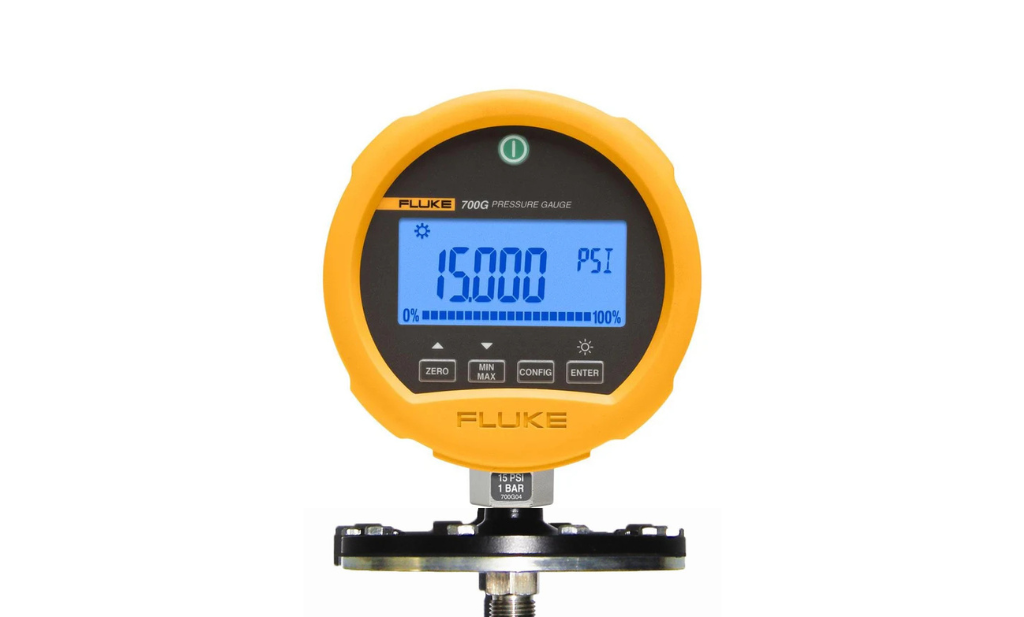
The Importance of Gas Monitor Calibration

by Emmanuel

The Importance of Gas Monitor Calibration

In environments where gas exposure poses a risk, such as industrial plants, laboratories, and confined spaces, gas monitors are indispensable tools for ensuring safety. At Gulf Coast Calibration, we recognize the critical role these devices play in detecting hazardous gases and maintaining a safe working environment. In this blog post, we’ll explore why regular calibration of gas monitors is essential, how it impacts safety, and the steps involved in the calibration process.

Why Gas Monitor Calibration Matters

Gas monitors are designed to detect the presence of harmful gases and provide early warnings to prevent exposure. However, the accuracy of these devices can degrade over time due to factors such as sensor drift, contamination, and environmental conditions. Here’s why regular calibration is crucial:

1. Accuracy and Reliability

Gas monitors must provide precise readings to ensure they can detect gas levels accurately. Regular calibration verifies that the device is functioning correctly and delivering reliable data. Without proper calibration, a gas monitor may give false readings, leading to undetected hazards and increased risk.

2. Compliance with Safety Standards

Many industries are required to comply with safety regulations and standards that mandate regular calibration of gas detection equipment. Adhering to these requirements not only ensures safety but also helps avoid legal and financial repercussions.

3. Protecting Human Health

Inaccurate gas detection can expose workers to harmful gases like carbon monoxide, methane, or hydrogen sulfide. Regular calibration ensures that the gas monitors are functioning optimally, protecting workers’ health and preventing potentially dangerous situations.

The Gas Monitor Calibration Process

Calibrating gas monitors involves several critical steps to ensure the devices operate at peak performance:

1. Preparation

Before calibration, it’s important to prepare the gas monitor by ensuring it is clean and in good working condition. This includes checking for any physical damage and verifying that the sensors are intact.

2. Zeroing the Device

The calibration process typically begins with zeroing the device. This step ensures that the gas monitor reads zero when no target gas is present. This is crucial for accurate detection of gas levels.

3. Applying Calibration Gas

Next, calibration gases with known concentrations are introduced to the gas monitor. The device’s response to these gases is measured and compared against the known values. This step helps to adjust the monitor’s readings to ensure accuracy.

4. Adjusting and Verifying

Based on the monitor’s response to the calibration gases, adjustments are made to align the device’s readings with the actual concentrations. After adjustments, the monitor is tested again to verify that it provides accurate readings.

5. Documentation

Finally, the calibration process is documented, including details of the gases used, calibration results, and any adjustments made. This documentation is essential for tracking the device’s performance over time and demonstrating compliance with safety regulations.

The Role of Gulf Coast Calibration

At Gulf Coast Calibration, we offer comprehensive gas monitor calibration services to ensure your equipment is functioning correctly and reliably. Our experienced technicians use state-of-the-art equipment and follow industry best practices to deliver accurate and efficient calibration. Here’s how we can assist:

  • On-Site Calibration: We provide on-site calibration services to minimize downtime and ensure that your gas monitors are calibrated in their actual working environment.
  • Regular Maintenance: Our services include regular maintenance and recalibration to keep your equipment in top condition.
  • Compliance Assurance: We help you stay compliant with industry regulations by providing detailed calibration reports and documentation.

Conclusion

Gas monitors are vital tools for maintaining a safe working environment, but their effectiveness depends on regular calibration and maintenance. By ensuring that your gas monitors are accurately calibrated, you protect your workers from harmful gases and comply with safety standards.

At Gulf Coast Calibration, we are committed to providing top-notch calibration services to keep your gas monitors performing at their best. Don’t compromise on safety—contact us today to schedule your gas monitor calibration and ensure the reliability of your safety equipment.

Feel free to reach out for more information on how we can support your safety and compliance needs.

Call us to discuss your calibration, test or repair needs at:
713.944.3139.

Request for Calibration Quote
Request for PPE/Glove Testing Quote

The Critical Importance of Testing Your PPE

by Emmanuel

The Critical Importance of Testing Your PPE

In industries where personal protective equipment (PPE) is crucial for safeguarding employees, there’s no room for compromise when it comes to safety. At Gulf Coast Calibration, we understand the critical role that PPE plays in protecting workers from hazards, and we are committed to ensuring that your safety equipment meets the highest standards of performance. In this blog post, we delve into the risks associated with inadequate PPE testing and why rigorous testing is essential for maintaining workplace safety.

The High Stakes of PPE Safety

PPE—such as gloves, arc flash suits, hot sticks, and other safety gear—is designed to protect workers from a range of hazards, including electrical shocks, burns, and other potential injuries. However, if PPE is not properly tested and maintained, it can fail when you need it most, leading to severe injuries or even fatalities. Here’s why ensuring the integrity of your PPE through regular and thorough testing is non-negotiable:

1. Gloves: The First Line of Defense

Rubber gloves are essential for electrical safety, but their effectiveness diminishes over time. Without proper testing, it’s impossible to know whether your gloves can withstand the voltage levels they’re rated for. Compromised gloves could result in dangerous electrical shocks, putting workers’ lives at risk. Our rubber glove testing services at Gulf Coast Calibration ensure that your gloves are up to standard, so you can have peace of mind knowing they’ll protect you when you need them most.

2. Arc Flash Suits: Shielding Against Explosive Energy

Arc flash suits are designed to protect workers from the intense heat and energy released during an arc flash. However, if these suits are not tested regularly, their protective qualities can degrade, rendering them ineffective. Our ARC Flash Suit Testing services help ensure that your suits will provide the necessary protection in high-risk environments.

3. Hot Sticks: Ensuring Safe Electrical Work

Hot sticks are vital tools for safely working on live electrical lines. If these tools are not tested for their insulating properties, there’s a significant risk of electrical contact, which can be fatal. Gulf Coast Calibration offers hot stick testing to confirm that your equipment is functioning correctly and providing the protection needed for safe operations.

4. High Voltage PPE Dielectric Testing: Verifying Safety Standards

High voltage PPE, including dielectric boots and sleeves, is crucial for protecting workers from electrical hazards. Regular dielectric testing ensures that these items remain effective and meet industry standards. By conducting thorough testing, we help you avoid the risks associated with PPE failures, which could lead to serious injuries or electrical incidents.

The Consequences of Neglecting PPE Testing

The implications of not regularly testing PPE are severe. Here are some of the potential risks:

  • Increased Risk of Injury or Death: Inadequate PPE testing can lead to equipment failure during critical moments, exposing workers to potentially fatal hazards.
  • Legal and Financial Repercussions: Non-compliance with safety standards can result in hefty fines, legal action, and damage to your company’s reputation.
  • Operational Downtime: Accidents caused by PPE failures can lead to costly downtime and disruptions in operations.

Why Choose Gulf Coast Calibration?

At Gulf Coast Calibration, we specialize in providing comprehensive testing services for PPE and calibration of various tools and equipment. Our expertise ensures that your safety gear is thoroughly tested and meets the highest industry standards. From rubber glove testing to high voltage PPE dielectric testing, we offer a full suite of services designed to keep your workplace safe and compliant.

Our Services Include:

  • Rubber Glove Testing: To confirm the insulation and performance of electrical gloves.
  • PPE Rotation Program: Ensuring that PPE is regularly tested and rotated to maintain safety standards.
  • Grounding Cable Testing: To verify the effectiveness of grounding systems.
  • ARC Flash Suit Testing: Ensuring suits provide the necessary protection against arc flash incidents.
  • Hot Sticks Testing: Validating the insulating properties of hot sticks.
  • High Voltage PPE Dielectric Testing: To ensure high voltage PPE is effective in protecting against electrical hazards.

Conclusion

When it comes to workplace safety, cutting corners is not an option. Regular and thorough testing of PPE is essential to protect your employees and ensure compliance with safety regulations. At Gulf Coast Calibration, we are dedicated to providing top-notch testing and calibration services to help you maintain the highest standards of safety.

Don’t compromise on safety. Contact us today to schedule your PPE testing and keep your workforce protected against the hazards they face every day.

Call us to discuss your calibration, test or repair needs at:
713.944.3139.

Request for Calibration Quote
Request for PPE/Glove Testing Quote