
4 Signs Your Equipment Needs To Be Calibrated

by Emmanuel

In an industry where data and measurements are primary considerations in daily work, costly equipment is required to ensure accurate and reliable readings. Some people even go so far as to say that scientists are only as good as their tools. As a result, ensuring that your equipment provides accurate readings is critical to your business.

Producing reliable and accurate data is critical because many fields rely on it. This is where equipment calibration comes into play. What exactly is calibration? Calibration is the process of evaluating and adjusting your equipment to ensure precise and consistent results.

In this blog, we will go over some of the most common indicators that your equipment needs to be calibrated, as well as the various types of calibration and which types of equipment are best for each.

1. It is due (Your Schedule Says So):

One of the most common indications that your equipment requires calibration is when your schedule specifies it. It is standard procedure to have your equipment calibrated not only upon purchase but also annually, just as you would have your car inspected. However, this can vary greatly depending on the industry and how the equipment is used. Because of their role and direct impact on quality, some industries and equipment may require calibration more frequently than others.

If your company is certified by a specific industry-standard agency, such as the International Organization for Standardization, this is a great example (ISO). If this is the case, you may be required to follow guidelines for how frequently your equipment must be calibrated, and failure to do so may result in the loss of your certification.

2. Damage/Repairs:

It’s always a good idea to have your equipment calibrated after it’s been damaged or recently repaired, even if the damaged or repaired area wasn’t close to the measurement area. Why? Damage and repairs can unintentionally cause other internal problems or changes. For example, when repairing a piece of equipment, a sensor may be accidentally bumped, or if a tool or gage is dropped, the calibration may be thrown off. Overall, whenever a piece of equipment is damaged or repaired, it is best to take precautions to ensure accurate results and measurements.

3. Your measurements are inconsistent: 

Inconsistent and poor results are probably the second most common indication that your equipment needs to be calibrated. Products that do not meet specifications or machinery that does not operate as intended are two of the most common occurrences in this category. Unexpected outcomes may occur from time to time, so keep an eye out for results that consistently fall outside of specifications.

A great way to combat this is to consistently check and recheck the instrument readings, as well as the quality and specifications of the final products. Overall, if you notice a result that is even slightly out of the norm, especially over time, having your machine calibrated is never a bad idea.

4. It was requested by the customer.:

Customer requests are another reason why equipment must be calibrated. Customers may request that your equipment be calibrated to ensure that they are receiving accurate results, depending on your industry and the services you provide. This will not only help you deliver accurate results for the current customer, but for many more to come. It can also serve as a preventative measure, assisting you to avoid outlier results or catching results that are just outside of the norm. While this is a relatively uncommon reason for equipment calibration, it is something you should be aware of.

Your Calibration Schedule Will Be Managed by Gulf Coast Calibration

Are you looking for calibration services, or is your equipment producing out-of-the-ordinary results? If so, you’ve come to the right place. Gulf Coast Calibration has over 42 years of experience and has grown to become one of the best weighing equipment and calibration companies in the Gulf Coast Region. Our calibration services, which cover equipment in a variety of industries, are provided through our in-house laboratory or on-site at our customers’ facilities.

We take quality very seriously because our clients rely on us to help them provide quality products and services to their customers. As proof of our quality, we are registered and accredited by ISO/IEC 17025, and our calibrations are performed using NIST-traceable standards.

Call us to discuss your calibration, test or repair needs at:
713.944.3139.

Request for Calibration Quote

Request for PPE/Glove Testing Quote
10 Types Of Dimensional Inspection Hand Tools And When To Use Them

by Emmanuel

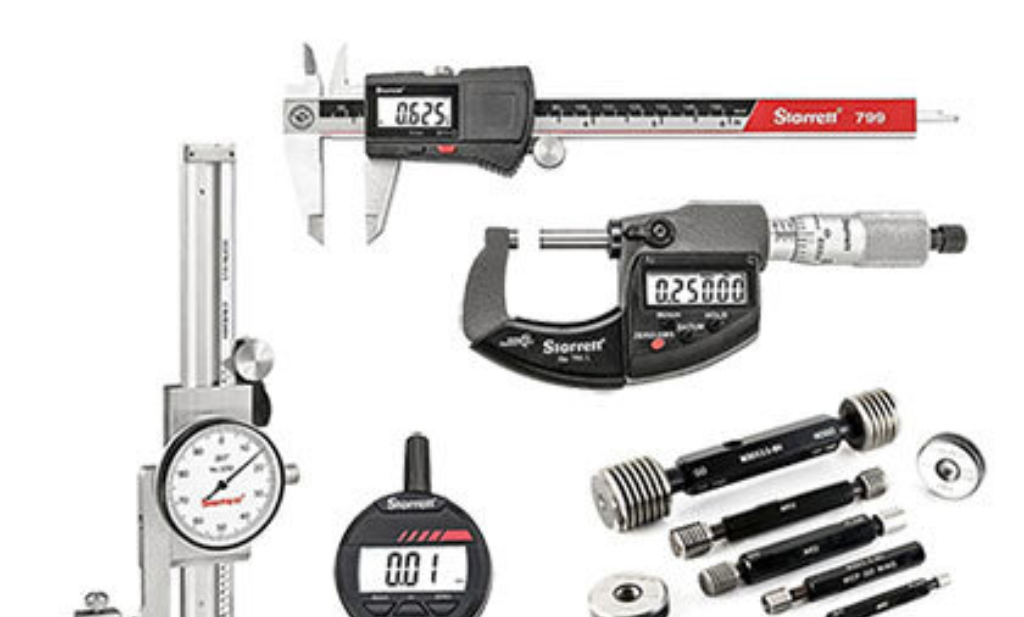
Any quality control procedure would be incomplete without the use of hand tools for dimensional inspection. They are used to check if a product or part satisfies the necessary requirements by measuring and inspecting various product or part dimensions. In this post, we’ll look at 10 different kinds of hand tools for dimensional inspection and discuss when to use each one.

1. Calipers:

Calipers are used to measure the distance between two points, as well as thickness and diameter. They are used in a variety of industries, including metalworking, engineering, and woodworking.

2. Micrometers:

Micrometers are used for measuring small distances, thicknesses, and diameters. They are extremely precise and widely used in industries such as manufacturing and quality control.

3. Height gauges: 

Height gauges: Height gauges are used to measure an object’s height, including its vertical distance from a reference plane. They are useful in industries such as construction and manufacturing.

4. Depth gauges:

Depth gauges are used to determine the depth of a hole or recess. They’re useful in woodworking, metalworking, and other industries that require precise depth measurements.

5. Thread gauges:

Thread gauges are used to determine the pitch, diameter, and thread angle of screws, bolts, and other threaded objects. They are used in the manufacturing and quality control processes.

6. Feeler gauges:

Feeler gauges are used to determine the clearance or gap between two parts. They are widely employed in the automotive and aerospace industries.

7. Dial indicators:

Dial indicators are used to determine the distance or movement of an object. They are frequently employed in machining and manufacturing.

8. Surface roughness testers:

Surface roughness testers: These devices are used to determine the roughness or smoothness of a surface. They’re common in industries like automotive and aerospace.

9. Radius gauges:

Radius gauges are used to determine the radius of a curve or surface. They are widely used in woodworking, metalworking, and other industries where precise curve measurements are required.

10. Bore gauges:

Bore gauges are used to determine the diameter of a hole or bore. They are widely used in manufacturing and quality assurance.

The type of measurement required and the industry in which it will be used determine which dimensional inspection hand tool to use. Each tool has advantages and disadvantages, and choosing the right tool is critical for precise measurements.

It is essential to comply with best practices for using dimensional inspection hand tools in addition to knowing which tool to use. Here are some pointers to remember:

Select the appropriate tool for the job: As previously stated, each tool has advantages and disadvantages. When selecting the appropriate tool, consider the type of measurement required as well as the industry in which it will be used.

Zero the tool before use: To ensure accurate measurements, zero the tool before use. When no measurements are being taken, the tool is set to read zero.

Use the tool correctly: Each tool comes with its own set of instructions for use. Follow these steps to ensure precise measurements and avoid damage to the

It is essential to comply with best practices for using dimensional inspection hand tools in addition to knowing which tool to use. Here are some pointers to remember:

  • Select the appropriate tool for the job: As previously stated, each tool has advantages and disadvantages. When selecting the appropriate tool, consider the type of measurement required as well as the industry in which it will be used.
  • Zero the tool before use: To ensure accurate measurements, zero the tool before use. When no measurements are being taken, the tool is set to read zero.
  • Use the tool correctly: Each tool comes with its own set of instructions for use. Follow these steps to ensure precise measurements and avoid damage to the tools.
  • Clean and maintain the tool: Cleaning and maintaining the tool on a regular basis will ensure that it remains accurate and reliable. Follow the cleaning and maintenance instructions provided by the manufacturer.
  • Regularly calibrate the tool: Even with proper use and maintenance, dimensional inspection hand tools can lose accuracy over time. Calibration on a regular basis can ensure that the tool remains accurate and reliable.

The type of measurement required and the industry in which it will be used determine which dimensional inspection hand tool to use. Each tool has advantages and disadvantages, and choosing the right tool is critical for precise measurements.

You can ensure that your dimensional inspection hand tools provide accurate and reliable measurements by following these guidelines. To get the best results, choose the right tool for the job, use it correctly, and maintain it on a regular basis.

Conclusion

Finally, dimensional inspection hand tools are critical for quality control in a wide range of sectors. Knowing which tool to use and how to use it accurately can help ensure that your measurements are precise as well as consistent. You can ensure that your quality control process is effective and efficient by following best practices for using dimensional inspection hand tools.

Call us to discuss your calibration, test or repair needs at:
713.944.3139.

Request for Calibration Quote

Request for PPE/Glove Testing Quote
Difference Between Dial Calipers and Digital Calipers

by Emmanuel

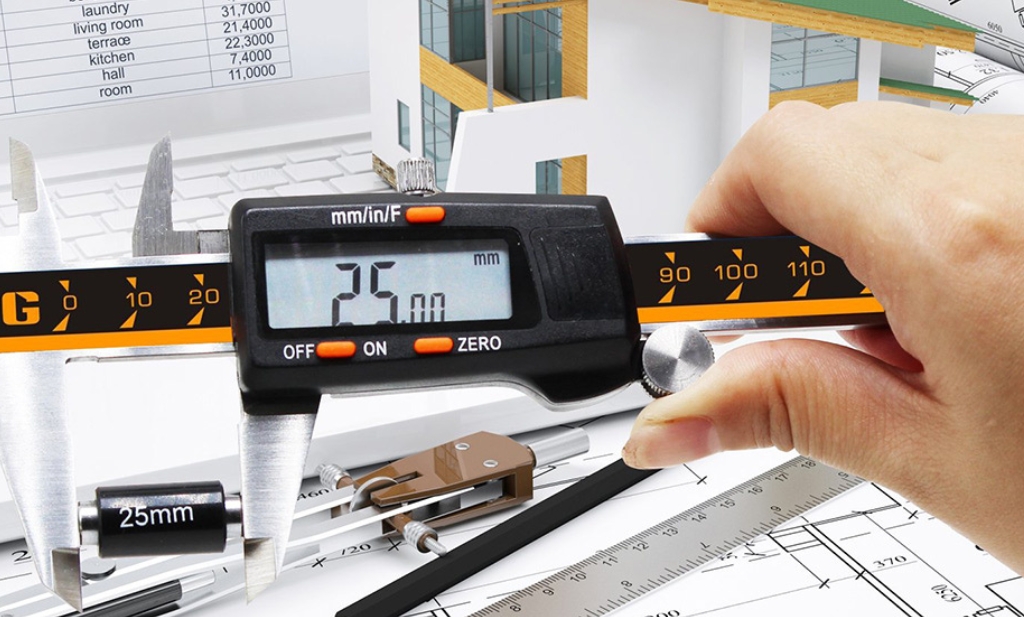
Calipers are precision measuring tools that are used in many industries such as manufacturing, engineering, and metalworking. They come in a variety of shapes and sizes, but the dial caliper and digital caliper are two of the most common. In this blog post, we’ll go over the key distinctions between the two and when to use each.

Dial Caliper:

A dial caliper, also known as a Vernier caliper, is an old-fashioned measuring tool that has been around for a long time. It is made up of a scale with a pointer that moves along the scale as the jaws open and close. The scale is usually marked in 0.001 inch or 0.02 mm increments, allowing for precise measurements.

The dial caliper has the advantage of being easy to read and not requiring any batteries or electronics. It’s also tough and can withstand extreme temperatures. It may, however, be more difficult to read for those with visual impairments, and it may not provide measurements with the same precision as a digital caliper.

Digital Caliper:

In contrast, a digital caliper is a more modern measuring tool that uses electronics to provide highly accurate measurements. It has a digital readout that displays the measurement in inches or millimeters, with some models also displaying fractions. Digital calipers’ jaws are typically made of stainless steel and can measure internal, external, depth, and step dimensions.

A digital caliper’s benefits include its ease of use, accuracy, and ability to display measurements in a variety of units. It’s also great for people who need to take measurements quickly or have trouble reading the scale of a dial caliper. It does, however, require batteries, and the electronic components may not be as long-lasting as the mechanical components of a dial caliper.

Here are some additional differences between dial calipers and digital calipers:

  • Price: In general, dial calipers are less expensive than digital calipers. If you’re on a tight budget or only need a caliper occasionally, a dial caliper may be a better option.
  • Resolution: Digital calipers usually have a higher resolution than dial calipers. Some digital calipers, for example, can measure to within 0.0005 inches or 0.01 mm, whereas dial calipers may only measure to within 0.001 inches or 0.02 mm.
  • Ease of use: In general, digital calipers are easier to use than dial calipers, especially for beginners. Without having to count the marks on the scale, the digital readout makes it simple to read the measurement. Some people, however, may prefer the tactile feedback of a dial caliper.
  • Battery life: Digital calipers are powered by batteries, which can be inconvenient if the battery dies in the middle of a job. Many digital calipers, on the other hand, have a long battery life and some even have an auto-off feature to conserve battery power.
  • Range: Digital calipers typically have a greater measurement range than dial calipers. Some digital calipers, for example, can measure up to 12 inches or 300 mm, whereas dial calipers may only measure up to 6 inches or 150 mm.
  • Accuracy: Digital calipers are generally more accurate than dial calipers, especially when measuring with high precision. This is due to the greater accuracy with which digital calipers can display measurements, as well as the elimination of human error that can occur when reading the markings on a dial caliper.
  • Speed: Because digital calipers provide an instant digital readout, they are faster to use than dial calipers. This makes them ideal for tasks requiring a large number of measurements to be taken quickly, such as in a manufacturing environment.
  • Durability: Because dial calipers have fewer moving parts and do not rely on electronic components, they are generally more durable than digital calipers. However, this can vary depending on the caliper’s quality.
  • Maintenance: Because digital calipers contain electronic components that must be protected from moisture and dust, they require more maintenance than dial calipers. This can include routine cleaning, battery changes, and calibration on occasion.
  • Environment: Because dial calipers do not have electronic components that can be damaged by dust or moisture, they are better suited for use in dirty or dusty environments such as a machine shop. Digital calipers are better suited for use in clean environments where accuracy and speed are more important than durability, such as a laboratory or inspection room.
  • Display: Dial calipers have an analog display that shows the measurement in the form of a pointer and a scale, whereas digital calipers have a digital display that shows the measurement in numbers. For some people, especially those who are used to working with digital displays, this can make digital calipers easier to read.
  • Zero reset: Most digital calipers have a zero reset button that allows you to reset the measurement to zero without physically moving the caliper’s jaws. This is a useful feature if you need to take multiple measurements and want to start each one from the beginning.
  • Data output: Some digital calipers include a data output feature that allows you to connect the caliper to a computer or other device and record measurements.
  • Brand & Quality: Both dial and digital calipers are available in a variety of brands and quality levels. Higher-quality calipers are generally more accurate and durable, but also more expensive. It is critical to select a caliper that is appropriate for your needs and budget, as well as a reputable brand with a proven track record.
  • Units of measurement: Digital calipers have the ability to switch between different measurement units, such as inches, millimeters, and fractions. In contrast, dial calipers are typically calibrated in only one unit of measurement and cannot be easily switched.

Conclusion

In conclusion, both dial and digital calipers have advantages and disadvantages. Dial calipers are more traditional and less expensive, but they can be more difficult to read and have a lower resolution. Digital calipers are more user-friendly and have a higher resolution, but they require batteries and may be more expensive. Finally, the decision between the two boils down to personal preference and the specific requirements of the job.

Call us to discuss your calibration, test or repair needs at:
713.944.3139.

Request for Calibration Quote
Request for PPE/Glove Testing Quote
Dimensional Tools and Thier Common Defects

by Emmanuel

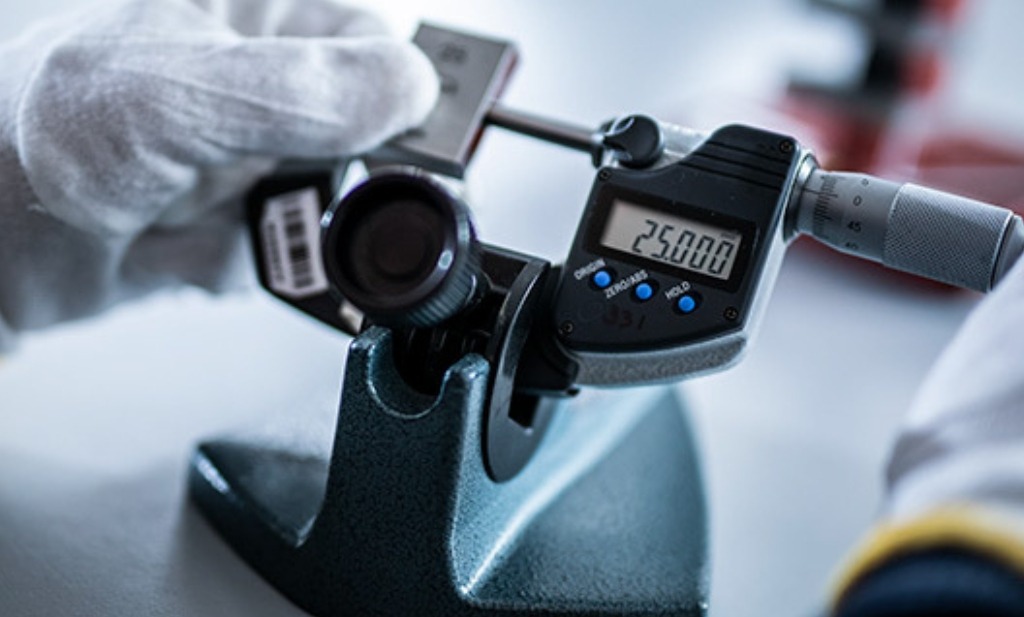
Dimensional tools are critical tools for ensuring precise measurements in manufacturing and engineering processes. These tools are used to measure dimensions such as length, width, and thickness to ensure that products and components meet specific specifications. Dimensional tools, like any other tool, can have flaws that cause inaccurate measurements or cause the tool to malfunction.

This blog post will go over the most common defects that can occur in dimensional tools and how to avoid them.

Wear and Tear

Wear and tear is one of the most common defects on dimensional tools. Regular use or exposure to harsh conditions can cause tools to wear out over time. This can result in inaccurate measurements and even irreparable damage to the tool.

How to Prevent:

To avoid wear and tear, use the proper tool for the job and handle it with care. Regular maintenance and cleaning can also help your tools last longer.

Damage

Another common defect on dimensional tools is physical damage. Accidental drops, mishandling, and other types of trauma can cause misalignment or other types of defects that affect the tool’s accuracy.

How to Prevent:

To prevent damage, it’s crucial to handle tools with care and store them properly when not in use. Protective cases or covers can also help prevent damage during transport or storage.

Calibration Issues

Dimensional tools must be calibrated on a regular basis to ensure accurate measurements. Calibration issues are a common flaw that, if not addressed, can cause serious problems.

Calibration problems can be caused by a variety of factors, including wear and tear, damage, or temperature or humidity changes.

How to Prevent:

Calibration issues can be avoided by following the manufacturer’s calibration guidelines and ensuring that tools are calibrated on a regular basis.

Digital Display Issues

Digital dimensional tools, such as calipers or micrometers, may exhibit display issues. This can include a dim or flickering display, inaccurate readings, or other issues.

Battery issues, display damage, or other technical issues can all cause display issues.

How to Prevent:

To avoid display problems, keep tools clean and dry, and replace batteries on a regular basis.

Rust and Corrosion

Rust and corrosion are another common problem with dimensional tools. Metal tools are prone to rust and corrosion, especially if they are exposed to moisture or other corrosive substances.

How to Prevent:

To avoid rust and corrosion, keep tools in a dry, clean, and well-ventilated place. Cleaning and oiling on a regular basis can also help to prevent rust and corrosion.

Improper Handling and Use

Improper handling and application of dimensional tools can also result in flaws. This can include using the incorrect tool for the job, using too much force, or using the tool incorrectly.

How to Prevent:

It’s critical to use the right tool for the job and follow the manufacturer’s guidelines for use to avoid defects caused by improper handling and use. Proper training and education can also aid in the prevention of defects caused by human error.

Loose Fittings and Parts

Finally, loose fittings and parts can cause dimensional tool defects. This can include loose screws, bolts, or other fasteners that impair the accuracy and stability of the tool.

It is critical to inspect tools on a regular basis and tighten any loose fittings or parts to avoid loose fittings and parts.

How to Prevent:

Regular maintenance and cleaning can also aid in the prevention of loose fittings and parts.

Conclusion

Finally, precision engineering and manufacturing require dimensional tools. They are, however, susceptible to a variety of flaws that can impair their accuracy and reliability. Understanding these common flaws and taking preventative measures will ensure that your tools remain accurate and reliable for years to come. Regular maintenance, cleaning, and calibration are required to keep your dimensional tools in excellent working order.

Call us to discuss your calibration, test or repair needs at:
713.944.3139.

Request for Calibration Quote

Request for PPE/Glove Testing Quote