Effect of Temperature and Relative Humidity on Lab Equipments

by Emmanuel

Temperature and relative humidity are important environmental factors in a laboratory. These variables can have a significant impact on the performance and accuracy of laboratory equipment, resulting in damage, degradation, and malfunctions that can affect test results reproducibility. In this blog post, we’ll look at how temperature and relative humidity affect lab equipment and how to keep optimal conditions for scientific research.

Temperature

Temperature has a variety of effects on the performance and accuracy of laboratory equipment. High temperatures can damage components, increase the risk of overheating, and degrade sample quality. Low temperatures, on the other hand, can cause materials to become brittle, increase viscosity, and impair the performance of electronic components.

The following are some examples of temperature effects on laboratory equipment:

  • Thermal expansion and contraction cause component misalignment or damage.
  • Material property changes that affect measurement accuracy
  • Overheating is more likely, resulting in equipment failure or damage.

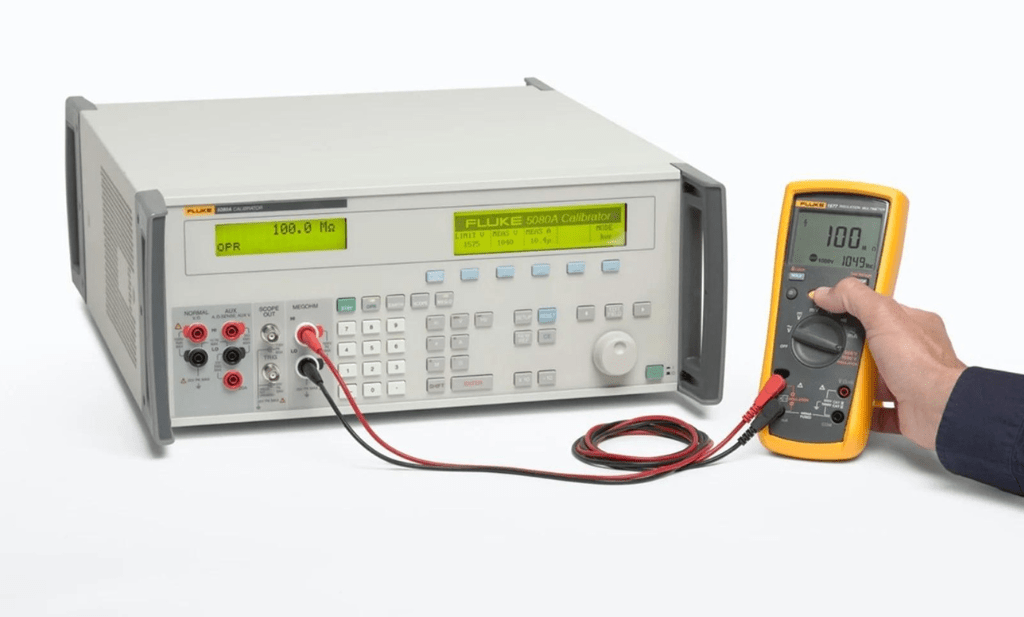
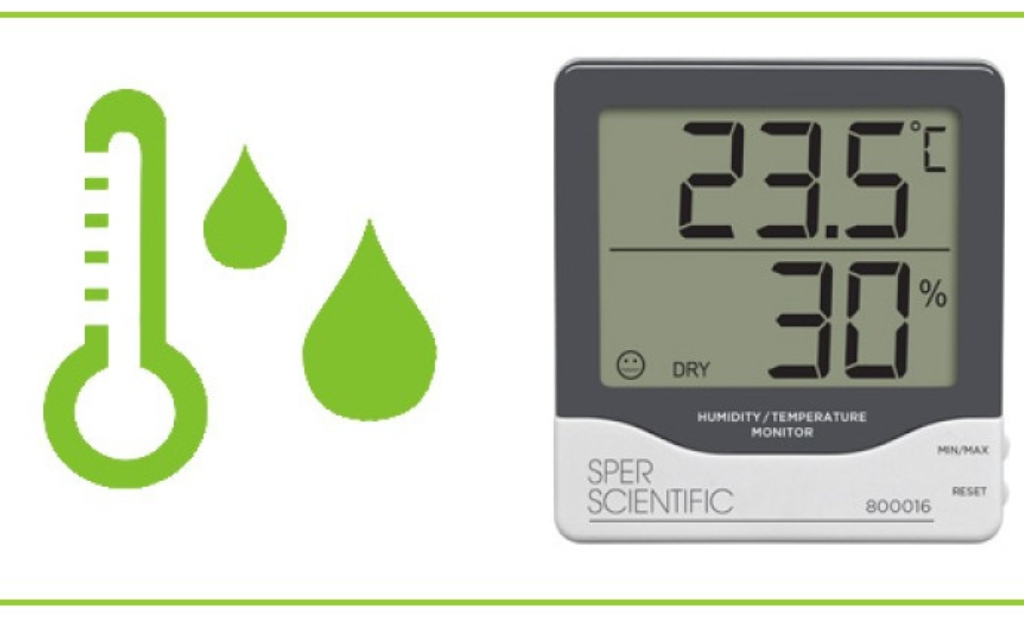
It is critical to have a controlled HVAC system that provides a stable temperature range within the laboratory in order to maintain optimal temperature conditions for lab equipment. Temperature monitoring should be done on a regular basis to avoid fluctuations that can affect the accuracy of test results. Additionally, equipment should be calibrated on a regular basis to ensure that it is operating within its optimal temperature range and to prevent damage.

Relative Humidity

Another critical factor influencing lab equipment performance is relative humidity. High humidity can cause corrosion, rust, and equipment component damage. It can also cause moisture buildup, which can lead to the growth of mold and bacteria, lowering the accuracy of test results. Electrostatic discharge can be caused by low humidity, which can damage sensitive electronic equipment.

Some examples of the effects of relative humidity on lab equipment include:

  • Metal component corrosion and rust, affecting performance and accuracy
  • Mold and bacteria growth, affecting the accuracy and reliability of test results
  • Electrostatic discharge can cause sensitive electronic components to fail.

It is critical to have a controlled HVAC system that provides stable humidity levels within the laboratory to maintain optimal relative humidity conditions for lab equipment. Humidity levels should be monitored on a regular basis to avoid fluctuations that can affect the accuracy of test results. Furthermore, equipment should be stored in a dry environment and inspected on a regular basis for signs of corrosion or damage.

Conclusion

Temperature and relative humidity are critical factors influencing lab equipment performance and accuracy. Changes in these variables can result in damage, degradation, and malfunctions, all of which can have an impact on the reproducibility of test results. It is critical to have a controlled HVAC system with regular temperature and humidity monitoring to ensure optimal conditions for scientific research. Regular equipment maintenance and calibration can also help to prevent damage and maintain accuracy. Labs can ensure the quality and reliability of their research results by taking temperature and relative humidity into account.

Call us to discuss your calibration, test or repair needs at:
713.944.3139.

Request for Calibration Quote

Request for PPE/Glove Testing Quote
Importance Of Turnaround Times In Calibration Services

by Emmanuel

Finding the proper Calibration Service Provider has become even more crucial and necessary in an ever-changing environment where precision production has become the new normal. How do I know when to calibrate my equipment and devices, and where should I ship them, is a growing concern. This topic becomes much more relevant when you consider the expense of downtime caused by a lack of the equipment and instruments essential for your production process.

Choosing The Best Fit For Your Calibration Requirements

When selecting a Calibration Service Company, it is critical to inquire about their turnaround time for serviced equipment. Many times, you may send your tools and instruments out and wait up to a month or more for them to be returned. When trying to satisfy today’s high production demands, very few manufacturers can remain without a tool or instrument for that length of time.

Importance of Calibrating Tools and Instruments

Today’s industrial demands may force you to postpone your calibration needs or simply not have your equipment and instruments calibrated in order to meet your customers’ demanding timetables. Avoiding calibration periods for precision manufacturing equipment and instruments may be exceedingly expensive, even more so than the downtime associated with sending them out for calibration services. Precision production using out-of-calibration equipment and instruments can result in costly recalls, angry customers, and violations of your quality control processes.

Fast Calibration Service Turnaround Times

Gulf Coast Calibration takes pride in aiming to achieve the quickest lab calibration turnaround times for calibrated devices. We strive for a 5-business-day turnaround time for calibration services after receiving your gages. We frequently surpass this goal with turnaround times as short as three days, and we provide expedited services for an extra fee.

Calibration Services We Offer

  • Local pick-up and delivery services
  • Shipping and receiving services
  • Mobile services for calibration at your facility
  • Customer drop-off and pick-up services

Gulf Coast Calibration | Slider2

When you use our pick-up and delivery services, you can be certain that our professional drivers will keep your equipment secure and orderly. We transport them to our calibration lab and perform the necessary calibration procedures.

When you ship your instrument to us, we receive it and, in many cases, transport it to our accredited lab the same day. In our calibration lab, we then apply the necessary calibration procedure. Typically, the instrument calibration may be done in 1 to 3 business days and returned to our customer via the customer’s preferred delivery method.

Call us to discuss your calibration, test or repair needs at:
713.944.3139.

Request for Calibration Quote
Request for PPE/Glove Testing Quote

The Benefits of Regular Calibration

by Emmanuel

The Benefits of Regular Calibration

Calibration is the process of standardizing or adapting measurement equipment to obtain more accurate results. It is essential to calibrate your equipment regularly to ensure that it is accurate and reliable. In this blog post, we will discuss the benefits of regular calibration.

1. Improved Accuracy

Over time, the accuracy of any measuring device will begin to decline. Typically, this reduction in accuracy is due to normal wear and tear of the various components but may also be due to a harmful environment or mechanical or electrical shock. The attenuation factor of the measurement equipment may vary depending on the environment and type. Due to this decline in measurement accuracy, organizations with measurement equipment prefer to calibrate on a regular basis. By calibrating your equipment, you are giving it the accuracy it needs to do its job properly.

2. Increased Safety

When you use calibration equipment for critical processes, safety is paramount. Even minor inaccuracies can cause the device to malfunction or give false information about how safe something is, leading to injury or damage to the equipment. Regular calibration of the equipment enables accurate measurements to be obtained and hazardous situations to be avoided.

3. Cost Savings

Calibration can help you save money in the long run. By calibrating your equipment regularly, you can identify potential problems before they become major issues. This can help you avoid costly repairs or replacements down the line. Additionally, calibration can help you reduce waste and improve efficiency, which can lead to significant cost savings.

4. Compliance with Regulations

Many industries have regulations that require equipment to be calibrated regularly. By calibrating your equipment, you can ensure that you are in compliance with these regulations. This can help you avoid fines and other penalties.

5. Improved Product Quality

Calibration of the measuring devices ensures that a high level of product quality is maintained. The reason for calibrating the hardware is reliability. When you calibrate your instruments regularly, you know your measuring device is accurate and will read your command according to other measuring devices. Calibration is essential if you care about the accuracy and consistency of your measuring instruments.

In conclusion, regular calibration of your equipment is essential to ensure that it is accurate, reliable, and safe. It can help you save money, improve product quality, and ensure compliance with regulations. If you need help with calibration, Gulf Coast Calibration (GCC) can help. GCC provides calibration services for a wide range of equipment, including electrical, mechanical, and dimensional equipment1

1Gulf Coast Calibration (GCC) provides calibration services for a wide range of equipment, including electrical, mechanical, and dimensional equipment.

Request for Calibration Quote
Request for PPE/Glove Testing Quote