
How to Ensure the Safety and Accuracy of Your Hot Sticks

by Emmanuel

Hot Sticks Safety and Accuracy

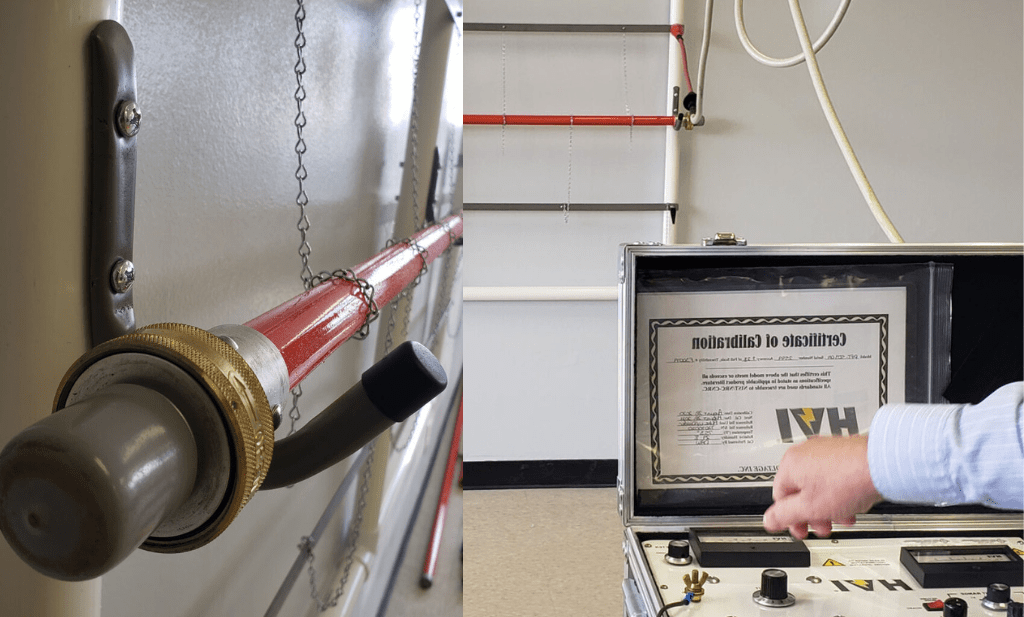
Hot sticks are essential tools for electric utility workers who perform live-line work on energized high-voltage power lines. They are insulated poles, usually made of fiberglass, that allow workers to operate various devices on the line without exposing themselves to electric shock. However, hot sticks are not immune to damage, wear and tear, or environmental factors that can compromise their insulation and mechanical properties. Therefore, it is crucial to inspect, test, and calibrate your hot sticks regularly to ensure their safety and accuracy.

Inspection

Before using a hot stick, you should always inspect it visually for any signs of damage, such as cracks, chips, dents, burns, or contamination. You should also check the hardware, such as nuts, bolts, clamps, and springs, for any looseness, corrosion, or deformation. If you find any defects, you should not use the hot stick and report it to your supervisor for repair or replacement.

You should also inspect your hot stick after each use and clean it with a mild detergent and water. You should avoid using any solvents, abrasives, or harsh chemicals that can damage the fiberglass or the protective coating. You should also store your hot stick in a dry and cool place, away from direct sunlight, heat sources, or sharp objects.

Testing

In addition to visual inspection, you should also test your hot stick periodically for its electrical and mechanical performance. Electrical testing involves applying a high voltage to the hot stick and measuring the leakage current or the dielectric strength. Mechanical testing involves applying a bending or tensile force to the hot stick and measuring the deflection or the breaking point.

There are different standards and methods for testing hot sticks, depending on the type, length, and application of the tool. For example, ASTM F711 specifies the requirements for hot sticks used in electric power generation, transmission, and distribution. OSHA 1910.269 specifies the safety practices for workers who perform live-line work. You should follow the relevant standards and methods for your hot stick and use the appropriate equipment and procedures for testing.

Calibration

Calibration is the process of comparing the output or the measurement of a hot stick to a known standard and adjusting it if necessary. Calibration ensures that your hot stick is accurate and reliable for its intended use. For example, if you use a hot stick to measure voltage, current, or resistance on a power line, you need to calibrate it against a reference meter or a traceable source.

Calibration should be performed by a qualified and accredited calibration laboratory, such as Gulf Coast Calibration, that has the expertise and the equipment to calibrate your hot stick according to the industry standards and specifications. You should calibrate your hot stick at least once a year or more frequently, depending on the frequency and the severity of use, the environmental conditions, or the manufacturer’s recommendations.

Conclusion

Hot sticks are vital tools for electric utility workers who perform live-line work on energized high-voltage power lines. They provide insulation and mechanical strength to protect workers from electric shock and to operate various devices on the line. However, hot sticks can deteriorate over time and lose their safety and accuracy. Therefore, it is essential to inspect, test, and calibrate your hot sticks regularly to ensure their optimal performance and reliability.

Let Gulf Coast Manage Your Calibration Schedule.

If you need professional and quality calibration services for your hot sticks or other electrical tools, contact Gulf Coast Calibration today. We are an ISO 17025 accredited calibration laboratory that offers a wide range of calibration and testing services for electrical, temperature, pressure, dimensional, and other instruments. We have state-of-the-art equipment and experienced technicians who can calibrate your hot sticks and other tools according to the industry standards and specifications. We also offer fast turnaround times, competitive prices, and excellent customer service. Contact us today and get 10% off your first calibration or testing service with us!

Call us to discuss your calibration, test or repair needs at:
713.944.3139.

Request for Calibration Quote
Request for PPE/Glove Testing Quote
The Importance of Calibrating Your Pressure Gauge

by Emmanuel

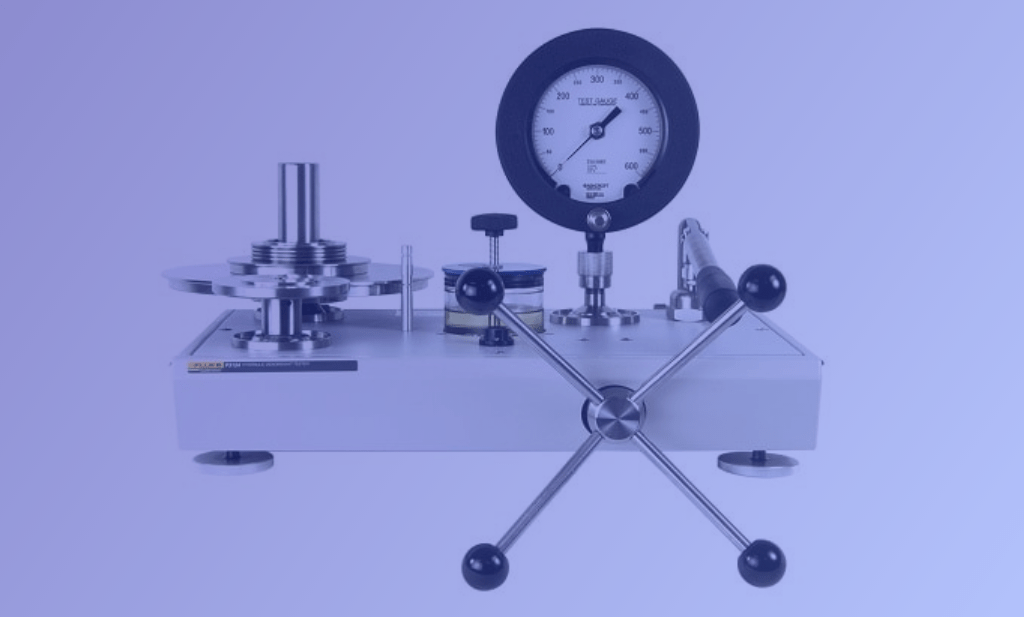
In industrial settings, a pressure gauge is one of the most essential instruments used to measure and monitor pressure levels in various applications, from manufacturing and HVAC systems to oil and gas pipelines. Ensuring that your pressure gauge is accurate isn’t just a matter of operational efficiency it’s a critical factor in maintaining safety, regulatory compliance, and cost-effectiveness.

At Gulf Coast Calibration, we specialize in precise calibration services, helping businesses maintain the accuracy of their equipment and ensure optimal performance. In this post, we’ll dive into the importance of calibrating your pressure gauge and the value it brings to your operations.

1. Safety Comes First

Pressure gauges are often used in high-stakes environments where even a small deviation from true pressure readings could lead to dangerous conditions. A miscalibrated gauge might display incorrect information, potentially leading to an unsafe increase in pressure. Regular calibration ensures that readings are accurate, helping prevent incidents like equipment failure, leaks, or even explosions, which can endanger personnel and damage facilities.

2. Maintaining Compliance with Industry Standards

Many industries, including oil and gas, pharmaceuticals, food processing, and manufacturing, must adhere to strict regulatory standards for safety and quality. Regulatory bodies such as OSHA, ISO, and ASME often require routine calibration of pressure gauges as part of compliance protocols. By calibrating your gauges with Gulf Coast Calibration, you can be confident that you meet industry standards and regulatory requirements, avoiding potential fines or operational shutdowns.

3. Ensuring Operational Efficiency

Even a slight inaccuracy in your pressure readings can lead to inefficiencies in your systems. For instance, in manufacturing, incorrect pressure can cause production inconsistencies, resulting in product defects or wasted materials. Regular calibration ensures your gauge is operating precisely as intended, optimizing the efficiency of your processes and minimizing waste. This level of precision is particularly important for industries with tight tolerances or sensitive pressure requirements.

4. Prolonging Equipment Life

When pressure gauges provide accurate readings, systems are less likely to be subjected to stress, overpressure, or misapplication. By keeping pressure levels within their ideal range, you reduce the wear and tear on equipment and prevent premature failures. Investing in regular calibration can ultimately extend the life of your equipment, reducing repair and replacement costs over time.

5. Cost Savings in the Long Run

At first glance, calibration might seem like an added expense, but in the long run, it actually saves money. Accurate gauges reduce the risk of accidents, operational inefficiencies, and equipment damage all of which can be costly to address. By regularly calibrating your pressure gauges, you avoid these unexpected expenses and keep operations running smoothly

6. Building Trust with Your Customers

In industries where products are directly impacted by pressure (such as in pharmaceuticals, food and beverage, or chemical manufacturing), an accurate pressure gauge contributes to consistent quality. When your customers know that you prioritize precision and safety by calibrating your equipment regularly, you build trust in your brand and your products.

When Should You Calibrate Your Pressure Gauge?

The frequency of calibration depends on a few factors: the industry standards in your field, the sensitivity and type of gauge, and environmental conditions. At Gulf Coast Calibration, we recommend that gauges be calibrated at least annually, but high-precision or high-use applications might require calibration every six months or even quarterly.

Why Choose Gulf Coast Calibration?

At Gulf Coast Calibration, we understand the unique demands of pressure gauge calibration. Our team of experts brings precision and reliability to every calibration project, ensuring that your gauges are accurate and dependable. We offer on-site calibration services tailored to fit your schedule, minimizing downtime while maintaining accuracy.

Call us to discuss your calibration, test or repair needs at:
713.944.3139.

Request for Calibration Quote
Request for PPE/Glove Testing Quote