
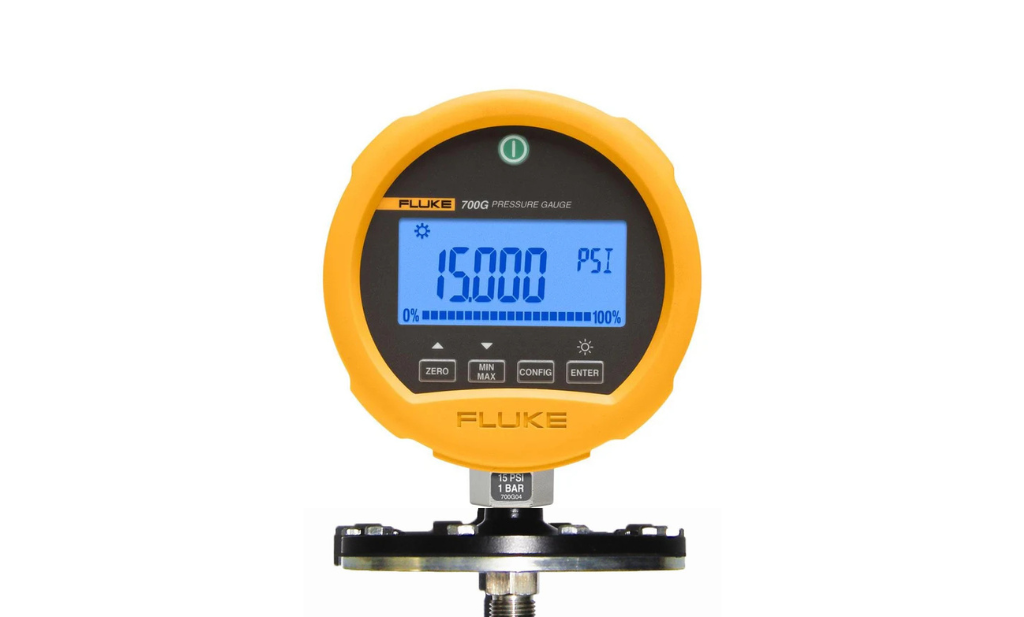
Pressure Gauge Calibration

by Emmanuel

Pressure Gauge Calibration

At GulfCoastCalibration, we understand the critical role accurate pressure measurements play in your operations. Our expert team specializes in comprehensive pressure gauge calibration solutions, ensuring precision, reliability, and compliance with industry standards.

Our Pressure Gauge Calibration Process:

  1. Consultation and Assessment:

    • We begin by understanding your specific requirements, application, and industry standards.
    • Our team assesses the pressure gauge type, media compatibility, and environmental conditions.
  2. State-of-the-Art Calibration Lab:

    • Our ISO/IEC 17025 accredited calibration lab features cutting-edge equipment.
    • We maintain strict temperature control, minimizing uncertainties during calibration.
  3. Traceable Calibration:

    • We use NIST-traceable reference standards for calibration.
    • Our calibration process covers gauge accuracy, hysteresis, repeatability, and resolution.
  4. Multiple Calibration Points:

    • We calibrate at various pressure points within the gauge’s range.
    • This ensures accurate readings across the entire operating spectrum.
  5. Adjustment and Certification:

    • If needed, we adjust the gauge to minimize errors.
    • You receive a detailed calibration certificate with all relevant data.
  6. On-Site Services:

    • We offer on-site calibration for convenience.
    • Our technicians ensure minimal downtime during the process.

Why Choose GulfCoastCalibration?

  • Expertise: Our skilled technicians have years of experience in pressure gauge calibration.
  • Compliance: We adhere to ISO standards and industry-specific guidelines.
  • Reliability: Count on us for precise, dependable results.
  • Customer-Centric Approach: Your satisfaction is our priority.

Contact GulfCoastCalibration today for accurate pressure gauge calibration. Let’s elevate your measurement confidence!

Request for Calibration Quote
Request for PPE/Glove Testing Quote
Request for Calibration Quote
Request for PPE/Glove Testing Quote
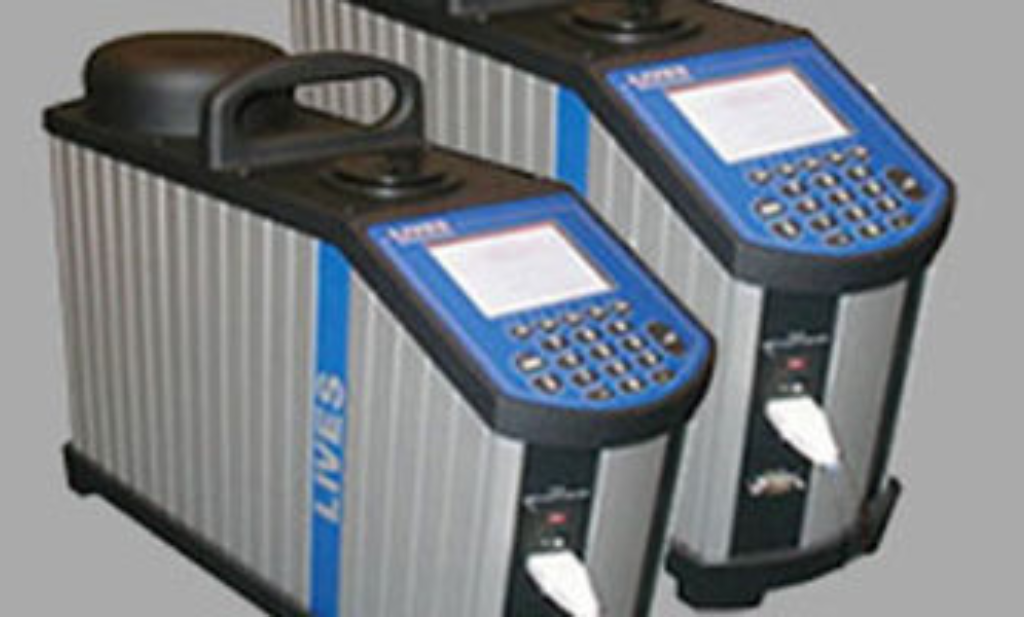
Temperature Sensor Calibration Process and Best Practices

by Emmanuel

Temperature Sensor Calibration Process and Best Practices

Temperature measurement is critical across various industries, including manufacturing, energy, healthcare, and research. Accurate and reliable temperature measurements are essential for operational efficiency, product quality, and personnel and equipment safety. Calibration of temperature sensors plays a pivotal role in achieving precise measurements.

Calibration Process:

  1. Reference Standard Selection:
    • Choose a reference standard with higher accuracy than the sensor being calibrated.
    • Options include calibrated thermometers, temperature baths, or temperature-controlled chambers.
    • The reference standard should have a known and stable temperature value.
  2. Pre-Calibration Preparation:
    • Ensure both the temperature sensor and reference standard reach thermal equilibrium.
    • Minimize errors due to temperature gradients.
  3. Data Collection:
    • Subject both devices to a series of temperature points across the desired range.
    • Record output readings simultaneously.
  4. Comparison and Analysis:
    • Compare the sensor’s output readings with the reference standard.
    • Calculate measurement errors at each temperature point.
    • Use statistical techniques (e.g., linear regression) to determine correction factors or calibration curves.
  5. Adjustment and Compensation:
    • Apply correction factors to compensate for observed errors.
    • Implement adjustments via software or hardware modifications.

Best Practices:

  1. Regular Calibration Schedule:
    • Calibrate temperature sensors at recommended intervals.
    • Consider stability, criticality, industry regulations, and manufacturer guidelines1.
  2. Traceable Calibration Standards:
    • Use traceable reference standards to ensure accuracy and traceability2.
  3. Environmental Conditions:
    • Maintain proper environmental conditions during calibration.
    • Avoid extreme temperatures, humidity, and other factors that could affect accuracy.

Remember, adhering to these best practices will enhance measurement accuracy and reliability. Feel free to reach out if you need further assistance!

Request for Calibration Quote
Request for PPE/Glove Testing Quote